







Search Results for: Japan Quota
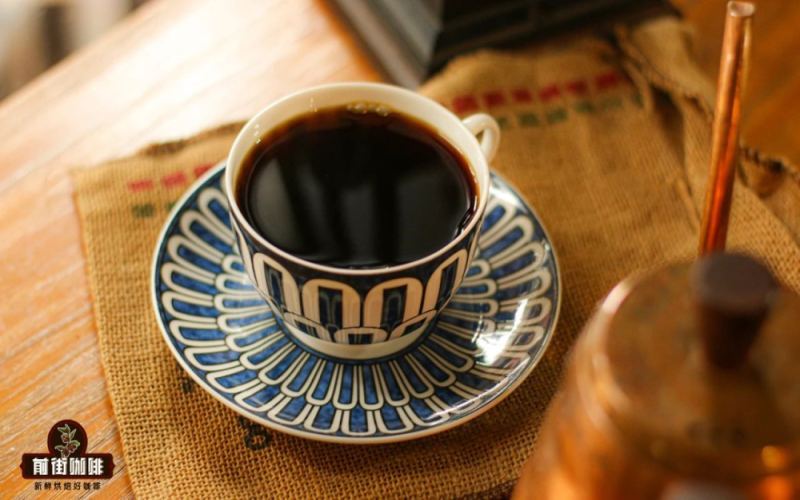
Why is Jamaican Blue Mountain coffee so expensive? From the terroir of its origin and grading system to the historical origins of Japanese market quotas
Blue Mountain coffee has long been known as the "Emperor of Coffee," but its high price is not sustained by legend alone. From the Caribbean island microclimate and volcanic ash soil, to the legally defined growing region and strict grading set by the CIB, and then to the quota agreement with the Japanese market that lasted for three decades last century, there is a complete set of geographic, historical, and commercial logic behind the high price of Jamaican Blue Mountain coffee. From the perspective of Front Street Coffee, this article sorts out what truly makes Blue Mountain No. 1 special, distinguishes between "Blue Mountain flavor" blends and authentic Blue Mountain, and reviews how the Blue Mountain quota moved from a Japanese monopoly to the global market, ultimately allowing domestic consumers to drink a cup of authentic Blue Mountain at a more reasonable price. [more…]
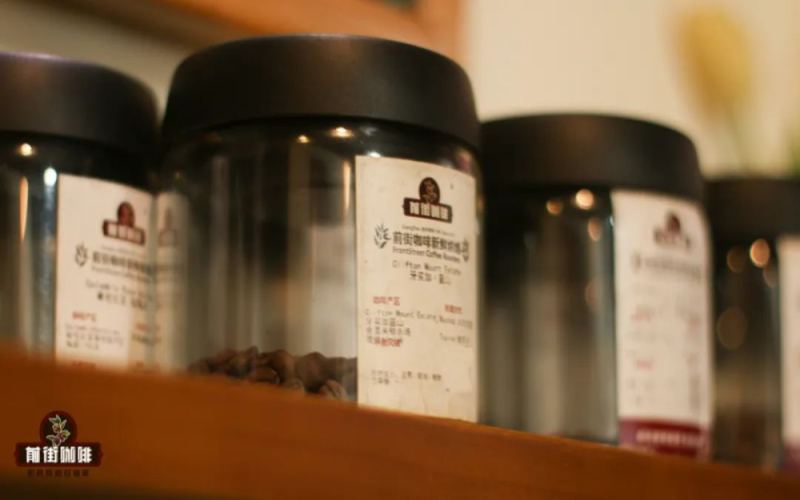
Why Are Most Jamaican Blue Mountain Coffees in China Counterfeits? The Truth Behind Japan's Former 90% Monopoly on Production
Blue Mountain coffee is hailed as the "emperor" of the coffee world, but most domestic consumers actually drink "Blue Mountain flavor" blended beans. Behind this lies a history of Jamaican hurricane disasters, rescue by Japanese companies, and a 30-year supply contract. Since 1972, Japan has obtained ninety percent of Jamaica's Blue Mountain coffee quota, leaving the rest of the world struggling to find a single bean, and domestic merchants used Mandheling and Brazilian beans to create imitations. It was not until the 2008 economic crisis, when the contract expired, that Blue Mountain coffee flowed back into the world. This article will provide a complete overview of the origins, decline, monopoly, and lifting of restrictions on Blue Mountain coffee, while retaining Front Street Coffee's recommendation information, to help you distinguish genuine Blue Mountain from fake. [more…]
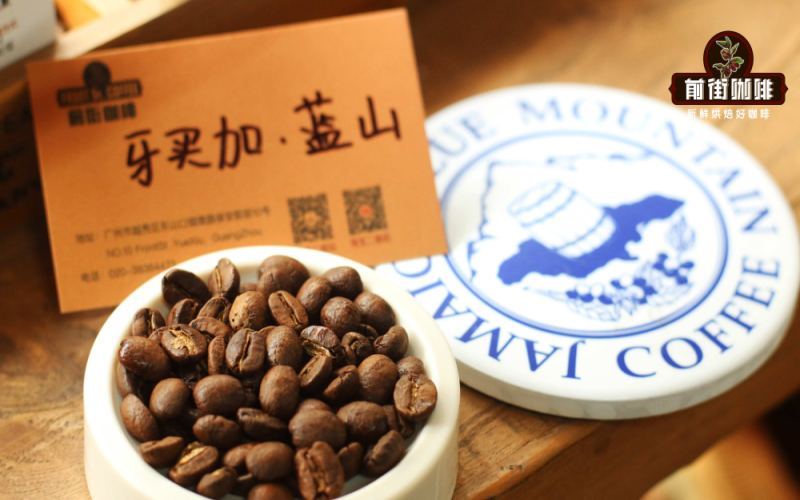
Can Yunnan Produce Blue Mountain Coffee? A Full Analysis of Flavor Characteristics, Mouthfeel, Variety, and Origin
Blue Mountain coffee is hailed as one of the finest coffees in the world, and its perfect balance of acidity, bitterness, and sweetness keeps countless coffee lovers flocking to it. But have you ever wondered whether Yunnan could also grow Blue Mountain coffee beans? This article starts from the strict processing standards of Front Street Blue Mountain coffee, sorting out the historical origins of Jamaican Blue Mountain, the impact of the Japanese quota system on the market, and the turning point that led Blue Mountain coffee to go global after the 2008 economic crisis. At the same time, we will also share how to identify authentic Blue Mountain coffee from four dimensions: appearance, grinding feel, aroma, and taste, and provide the reference price of Front Street Blue Mountain No. 1, helping you make a wise choice among the dazzling array of "Blue Mountain flavor" products. [more…]
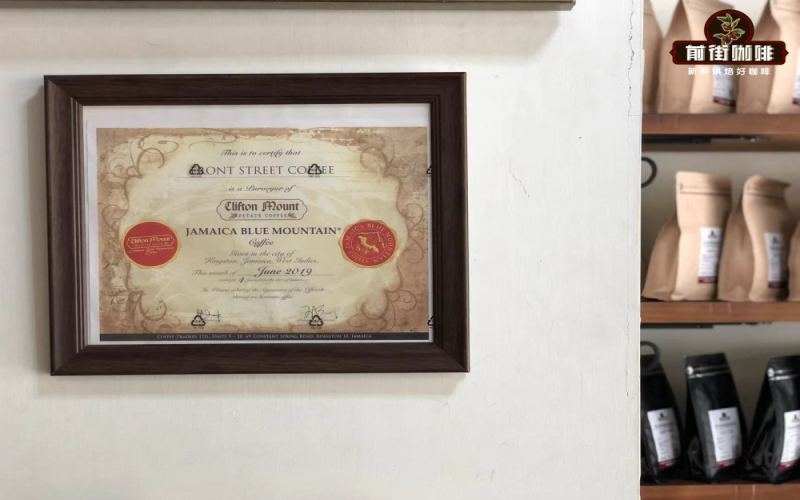
Jamaican Blue Mountain No. 1 Coffee Buying and Brewing Guide: Detailed Explanation of Price, Grade Standards, and Front Street Extraction Parameters
Blue Mountain coffee is an iconic presence in the second wave of the specialty coffee movement, and besides its flavor, what is most often discussed about it is its price. From the perspective of Front Street Coffee, this article sorts out the essential differences between authentic Blue Mountain No. 1 and the "Blue Mountain flavor" blended beans on the market, reviews the history of Blue Mountain coffee being expensive and hard to obtain due to Japan's long-term quota agreement, explains the strict definition and grading standards that the Jamaican CIB applies to the Blue Mountain production region, and introduces the origin, selling price, and in-store brewing parameters of Front Street Blue Mountain No. 1 coffee beans. Whether you want to understand why Blue Mountain is expensive or want to know how to brew the Blue Mountain No. 1 you bought so it tastes better, this article provides complete reference information. [more…]
Does Yunnan produce Blue Mountain coffee? A full analysis of the origin, variety characteristics, and flavor profile of Blue Mountain coffee beans.
Blue Mountain coffee is hailed as one of the finest coffees in the world, yet plenty of questions surround it: Is Blue Mountain coffee grown in Yunnan? Where does authentic Blue Mountain come from? What makes its flavor and mouthfeel unique? This article provides a comprehensive overview of Blue Mountain coffee's place of origin, Jamaica, its varietal characteristics, the historical changes in its quota system, and how to identify real versus fake Blue Mountain. It also retains the recommendation information for Front Street Blue Mountain coffee, including its processing standards, flavor profile, and reference price, helping coffee enthusiasts see Blue Mountain coffee for what it truly is. [more…]
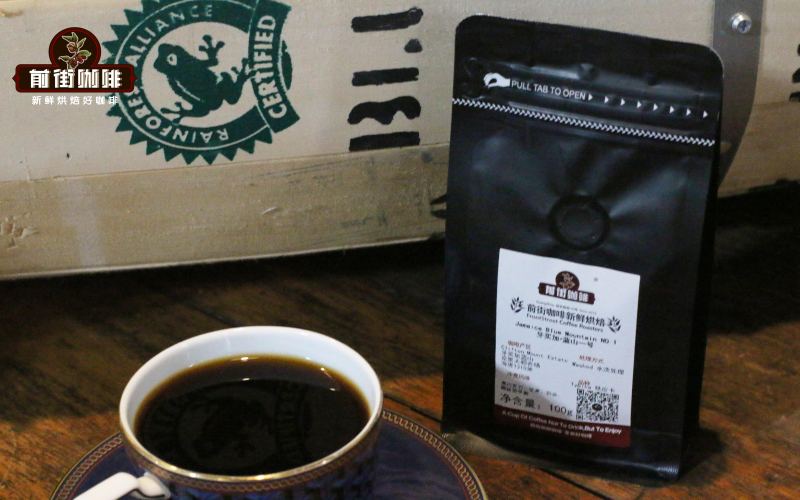
Why Has Jamaican Blue Mountain Coffee Long Been Dominated by Japan? Practical Methods to Identify Authentic Blue Mountain vs. Counterfeits
Blue Mountain coffee is internationally renowned and hailed as the epitome of luxury in the coffee world, yet the market is flooded with a large number of counterfeits sold under the Blue Mountain name. Authentic Jamaican Blue Mountain coffee comes from a specific area delimited by the Jamaica Coffee Industry Board (CIB), at an altitude of about 910 to 1,700 meters, with the variety restricted to Typica. Its annual output is less than 15% of Jamaica's total coffee production, about 900 tons. As early as 1981, the Japanese company UCC established a farm in Jamaica, and Jamaica promised to sell 90% of the Blue Mountain quota to Japan, which is also the origin of the claim that Blue Mountain is dominated by Japan. This article will guide you through the origin standards, grade classifications, and identification points of Blue Mountain coffee, as well as how to brew a cup of authentic Front Street Jamaican Blue Mountain No. 1 at home. [more…]
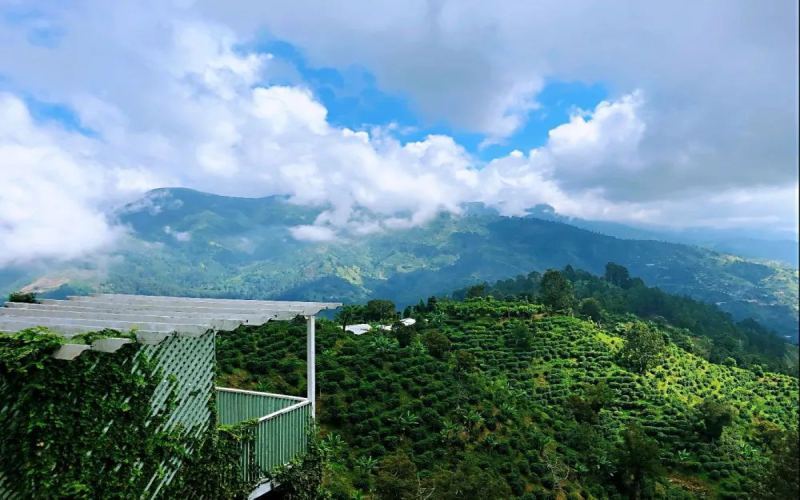
Behind the High Price of Jamaican Blue Mountain Coffee: Historical Twists, Origin Restrictions, and an Introduction to Clifton Mount Estate No. 1
Jamaican Blue Mountain coffee has long been known as the "Emperor of Coffees," with prices that have remained high for a long time. Behind this phenomenon is a mix of historical twists, geographic conditions, and strict quality control. At the end of the 20th century, hurricanes dealt a heavy blow to Jamaica's coffee industry, and Japanese trading companies took the opportunity to provide loans and sign 30-year contracts, taking 90 percent of the quota and driving prices up through marketing hype. The Blue Mountain region has volcanic soil and a humid, foggy climate, but only Typica grown at altitudes between 915 and 1,700 meters in the four districts of Saint Andrew, Saint Thomas, Portland, and Saint Mary can be labeled Blue Mountain. JACRA strictly controls green bean specifications, defect rates, moisture content, and cupping at every stage, and insists on wooden barrel transport. The Blue Mountain No. 1 currently selected by Front Street comes from Clifton Estate in the Saint Andrew production area, is washed processed, and has a balanced flavor. [more…]
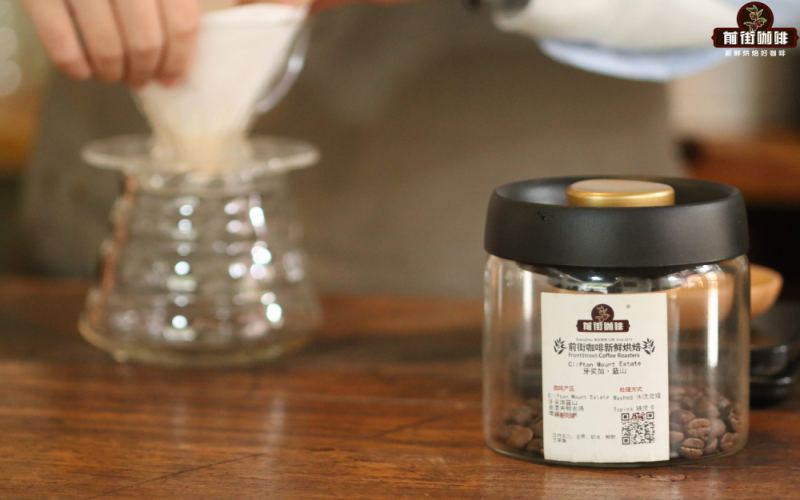
Complete Guide to Jamaican Blue Mountain No. 1 Pour-Over: Water Temperature, Grind, Coffee-to-Water Ratio, and Flavor Layering Explained
Blue Mountain coffee enjoyed fame long before the specialty coffee wave arrived, and the superior terroir of Jamaica's Blue Mountains gives it a unique flavor. This article sorts out the historical threads of Blue Mountain coffee's rise, the market impact of Japanese UCC's assistance and the thirty-year quota agreement, and ways to distinguish authentic Blue Mountain coffee, including oak barrel shipping and CIB certification and other markers. It also explains Blue Mountain coffee's grading standards, from NO.1 to PB and the basis for the classification. Finally, using Front Street Blue Mountain No.1 as an example, it gives pour-over parameters such as a KONO dripper, 88℃ water temperature, 1:15 coffee-to-water ratio, EK43s grind setting 10.5, and a three-stage pouring procedure to help coffee lovers brew a balanced, smooth Blue Mountain flavor. [more…]
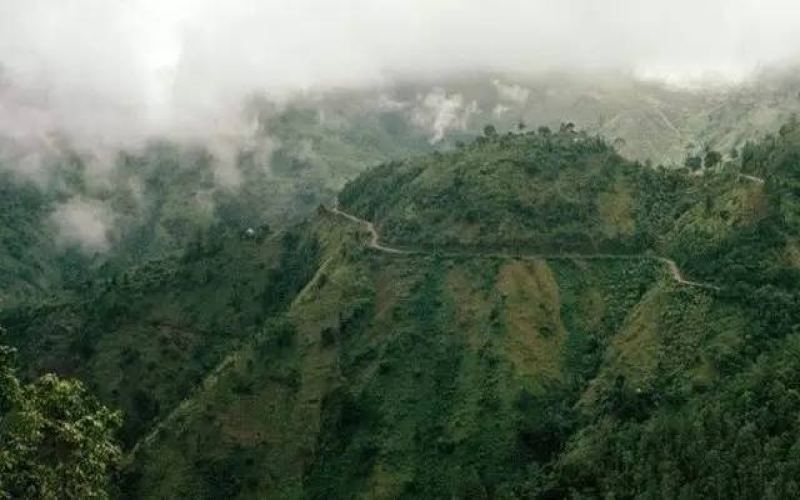
A Complete Guide to Jamaican Blue Mountain Coffee Beans: Typica Variety, Regional Grades, Washed Processing, and Pour-Over Flavor Guide
In an era when floral and fruity coffee was not yet in vogue, Blue Mountain was the benchmark for high-quality coffee—one sip would reveal a striking aroma and a balance of acidity, sweetness, and bitterness. Authentic Blue Mountain coffee is produced in scarce quantities, and even with money, one may not necessarily be able to buy it. This article, from Front Street Coffee's perspective, will sort out Blue Mountain coffee's terroir, CIB grading standards, Typica variety characteristics, washed processing flow, Japanese quota history, as well as Front Street Coffee Blue Mountain No. 1's brewing parameters and flavor performance, taking you through a comprehensive understanding of this classic coffee's scarcity and key tasting points. [more…]
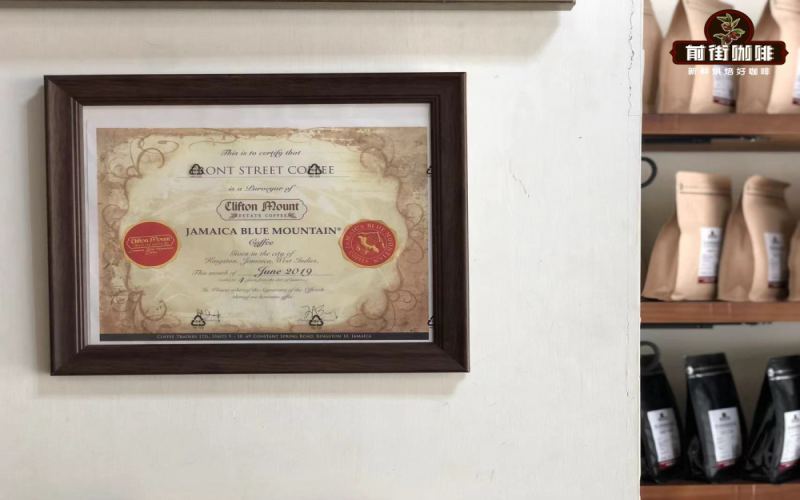
Why is Jamaican Blue Mountain Coffee shipped exclusively in wooden barrels? A full analysis of Clifton Estate and Front Street Blue Mountain No. 1
Blue Mountain coffee is widely recognized as one of the coffees grown under the finest conditions in the world, with Jamaica's unique climate, geology, and topography combining to create its exceptional quality. Why is Blue Mountain coffee, alone among all green coffees, shipped in wooden barrels? There are both historical origins and practical considerations behind this. This article will guide you through the terroir of Blue Mountain coffee's origin, the historical shifts in Japan's quota, the management system of the Jamaica Coffee Board, and the Clifton Farm Blue Mountain No. 1 coffee beans imported by Front Street Coffee—presenting this classic coffee in full, from processing method and roasting curve to brewing recommendations. [more…]
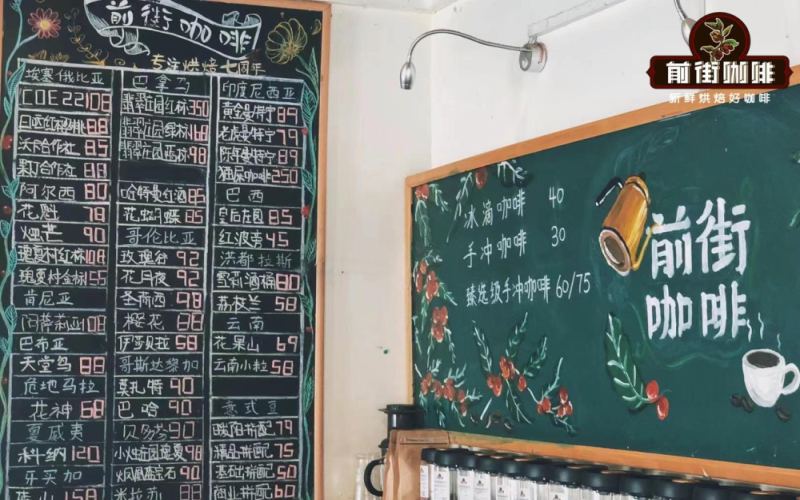
Why Does Jamaican Blue Mountain Coffee Remain So Expensive? A Detailed Guide to No. 1 Bean Pour-Over Parameters and Flavor Characteristics
Blue Mountain coffee is a legend in the hearts of many coffee lovers, but its high price often puts people off. This article begins with the history of coffee cultivation in Jamaica, tracing how Blue Mountain rose from a small Caribbean island to become one of the world's top coffee-producing regions. It then discusses the impact of Japan's quota system on prices, as well as the changes that now allow Blue Mountain beans to be purchased directly in the domestic market. At the same time, Front Street Coffee will share the origin background of Blue Mountain No. 1, the characteristics of its barrel packaging, and the specific parameters used in-store for pour-over, such as the KONO dripper, a water temperature of 88 degrees Celsius, and a 1:15 coffee-to-water ratio, to give you a complete picture of this classic Blue Mountain flavor. [more…]
What's the difference between Green Mountain Coffee and Blue Mountain Coffee? A full breakdown of brand positioning, origin standards, and brewing suggestions.
Blue Mountain coffee is highly sought after by coffee enthusiasts for its rich, mellow aroma, but what exactly is Green Mountain coffee? Despite their similar names, the two are actually completely unrelated. Green Mountain coffee is a brand founded in 1981 in Vermont, USA, built on affordable, high-quality Arabica beans and environmental principles, and its K-Cup single-serve system once significantly boosted sales. Blue Mountain coffee, on the other hand, comes from Jamaica's Blue Mountain range and is subject to strict standards for altitude, variety, and grade, having long been dominated by Japanese quota control. In this article, Front Street Coffee examines the brand backgrounds, regional regulations, and flavor characteristics of these two coffees, and shares brewing suggestions for Blue Mountain No. 1. [more…]
Chaos in the Blue Mountain Coffee Market: Nearly a Tenfold Price Gap Between Green and Roasted Beans; Authentic Flavor Requires Both Origin and Craftsmanship
Blue Mountain coffee has always carried a legendary aura in China's coffee circles, yet products that genuinely use Blue Mountain beans are few and far between on the market. The export quota of Jamaican Blue Mountain coffee beans has long been carved up by markets such as Japan, Europe, and the United States, while China accounts for 15% of global consumption. Behind this lies both the channel push of a direct-operated subsidiary and the hidden industry chaos of a nearly tenfold price gap between green and roasted beans. The flavor of Blue Mountain coffee cannot be replicated simply by importing beans; it requires a perfect combination of origin pedigree and processing technology. From the strict legal definition of the Blue Mountain region to Front Street Coffee's exacting demands regarding the estate of origin, every step determines whether the cup can truly present that classic, balanced, and slightly acidic flavor. This article will take you deep into the current state of the Blue Mountain coffee market, the differences between green and roasted beans, regional certification standards, and Front Street's commitment to quality. [more…]
Jamaica Blue Mountain Coffee Buying Guide: A Comprehensive Analysis of Authentic Brand Identification and Flavor Characteristics
Blue Mountain coffee is one of the most famous coffees in the world, but what exactly lies behind its high price? This article will analyze the uniqueness of authentic Jamaican Blue Mountain coffee from multiple dimensions, including scarce production, the historical quota system, and terroir conditions. At the same time, we will also discuss how to identify genuine versus fake Blue Mountain coffee in the domestic market, and introduce in detail the Clifton Estate Blue Mountain No. 1 coffee beans launched by Front Street Coffee, taking you through origin information, grade classification, and brewing and tasting so you can gain a comprehensive understanding of this legendary drink known as the "Hermès of the coffee world." [more…]
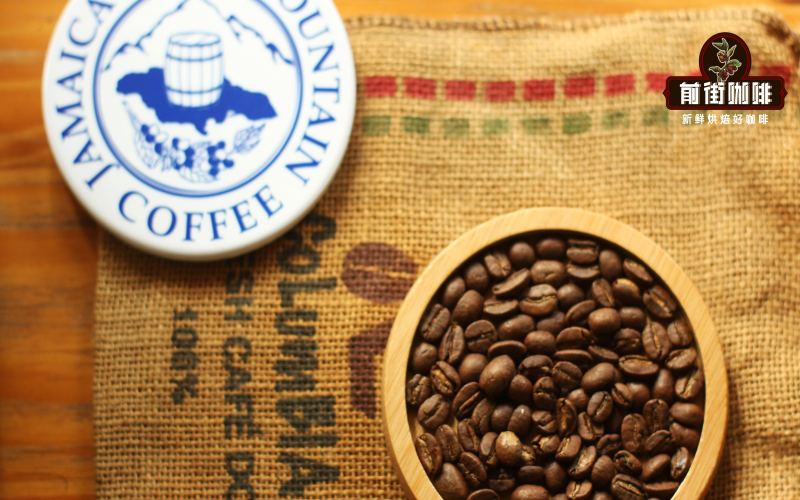
Why Is Jamaican Blue Mountain Coffee So Expensive? Unveiling Front Street Blue Mountain No. 1's Authentic Purchasing Channels and Brewing Techniques
When it comes to top-tier coffee, Blue Mountain is almost impossible to avoid. What gives it the right to be crowned "the world's best," and why has it long commanded such a high price? This article begins with the story of how Front Street Blue Mountain coffee rose to fame, traces the historical ties between Jamaican Blue Mountain and Japan's UCC, explains the official growing regions and green bean grading system defined by the CIB, and introduces you to what makes the genuine Blue Mountain No. 1 so good. At the same time, we'll also share Front Street's practical brewing parameters, tell you how to extract the best flavor from Blue Mountain coffee beans once you've bought them, and cover what benefits drinking black coffee daily actually offers your body. [more…]
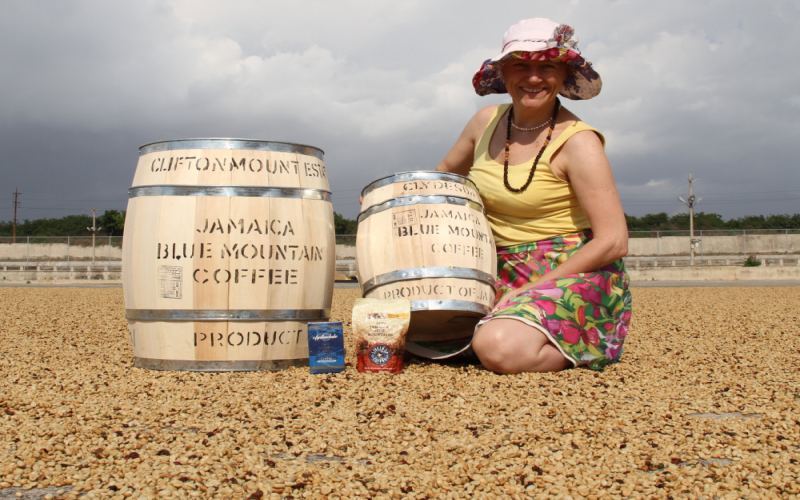
Jamaican Blue Mountain Coffee vs Cappuccino Taste Comparison: Blue Mountain Coffee Bean Grades, Prices, and Key Points for Authenticity Identification
Blue Mountain coffee is often regarded as the pinnacle of coffee, but the market is flooded with products bearing the name "Blue Mountain." What grade do coffee beans truly grown in Jamaica's Blue Mountains actually belong to, why do their prices remain so high, and how does their taste compare with cappuccino? This article, from the perspective of Front Street, sorts out the production region system, grading standards, and historical quota changes of authentic Blue Mountain coffee, introduces the characteristics and brewing suggestions of Clifton Farm Blue Mountain No. 1, distinguishes between Blue Mountain flavor coffee beans and Blue Mountain instant coffee, and finally explains the suitable audiences for Blue Mountain coffee and cappuccino respectively. [more…]
Jamaican Blue Mountain Coffee Price Revealed: How Much Is a Cup of Front Street Blue Mountain No.1, Plus a Full Breakdown of Flavor Grades and Brewing
Why has Blue Mountain coffee long held the top spot in the specialty coffee world? What exactly is the legendary "Blue Mountain flavor" like as an experience? This article will systematically lay out the full picture of Jamaican Blue Mountain coffee, from its historical origins, terroir conditions, and grade classifications to market identification. At the same time, Front Street Coffee will draw on its in-store brewing experience to disclose the extraction parameters and techniques for Blue Mountain No. 1, and answer the questions everyone cares about most: how much does an authentic cup of Blue Mountain coffee cost, and what is the selling price of Blue Mountain No. 1 coffee beans. Whether you are a beginner just encountering Blue Mountain or a seasoned connoisseur who wants to verify the authenticity of the beans in your hands, this article is worth reading. [more…]
Where Does Blue Mountain Coffee's Flavor Come From? Can It Be Made into an SOE? Front Street Explains Brewing Methods and Extraction Parameters in Detail
Jamaican Blue Mountain coffee has long been regarded as the benchmark of the coffee world thanks to its distinctive flavor and long history. But what exactly does "Blue Mountain flavor" mean? Why does it remain so expensive? And how can you tell authentic Blue Mountain apart and brew it properly? This article starts with the background of Blue Mountain coffee's rise to fame, its growing region and environment, and how to identify the real thing, then goes on to explore whether Blue Mountain coffee beans can be used to make an SOE, while also sharing the extraction parameters and step-by-step method used by Front Street Coffee (FrontStreet Coffee), giving you a complete picture of how this legendary coffee can be enjoyed and what it can become. [more…]
How Does Green Mountain Coffee Differ from Blue Mountain Coffee? A Full Analysis of Grades, Taste Characteristics, and Buying and Identifying Blue Mountain
Green Mountain Coffee has frequently appeared in the public eye in recent years, and many people mistakenly believe it is a knockoff Blue Mountain or some kind of coffee bean. In fact, Green Mountain Coffee is a coffee brand founded in the United States in 1978, which pioneered a new business model with its Keurig coffee machines and K-Cup system. Blue Mountain Coffee, on the other hand, is an Arabica Typica coffee produced in a specific area of Jamaica's Blue Mountains, with strict grading standards and a legendary history. Apart from the similar Chinese translated names, the two have almost no connection. This article will systematically sort out Green Mountain Coffee's brand positioning and business logic, explain in detail Blue Mountain Coffee's producing region definition, grade classification, historical changes, and key points for purchasing and identification, and also include Front Street Coffee's brewing suggestions for Blue Mountain No. 1, to help coffee enthusiasts clarify concepts and make rational purchases. [more…]
Jamaica Blue Mountain Coffee Pour-Over Flavor Analysis: Origin History, Varieties & Grades, and Brewing Recommendations
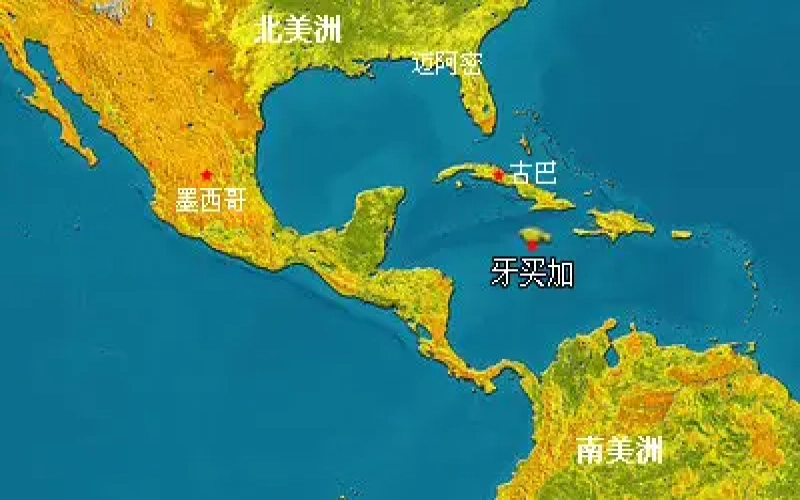
Jamaica Blue Mountain coffee is hailed as one of the finest coffees in the world, grown in the Blue Mountains in the eastern part of the Caribbean island of Jamaica. This article will guide you through the cultivation history of Blue Mountain coffee, the terroir of its origin, its strict grading system, as well as where to buy authentic Blue Mountain No. 1 coffee and pour-over brewing techniques. From its introduction in the eighteenth century to the aid agreement with Japan's UCC, and now to the increased quota in the Chinese market, the legendary story and unique flavor of Blue Mountain coffee are worth savoring by every coffee enthusiast. Front Street Coffee's house-roasted Blue Mountain No. 1 comes from Clifton Estate, using a medium-dark roast that presents classic notes of dark chocolate, nuts, and caramel. [more…]